

Florida Keys
National Marine Sanctuary
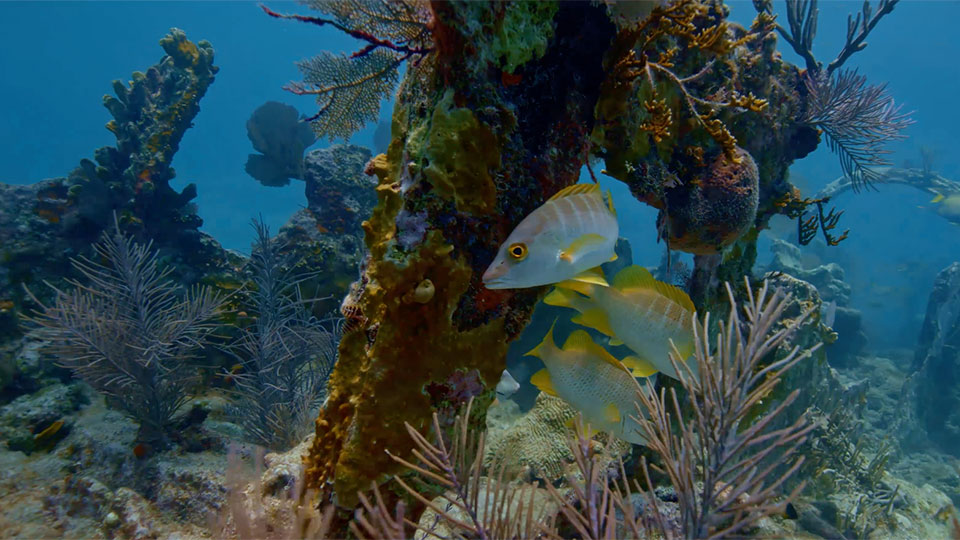
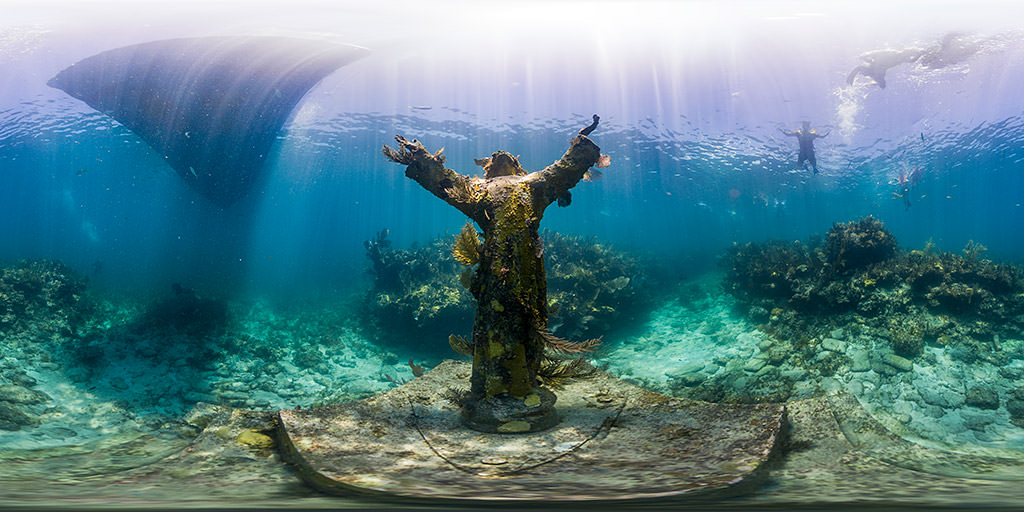
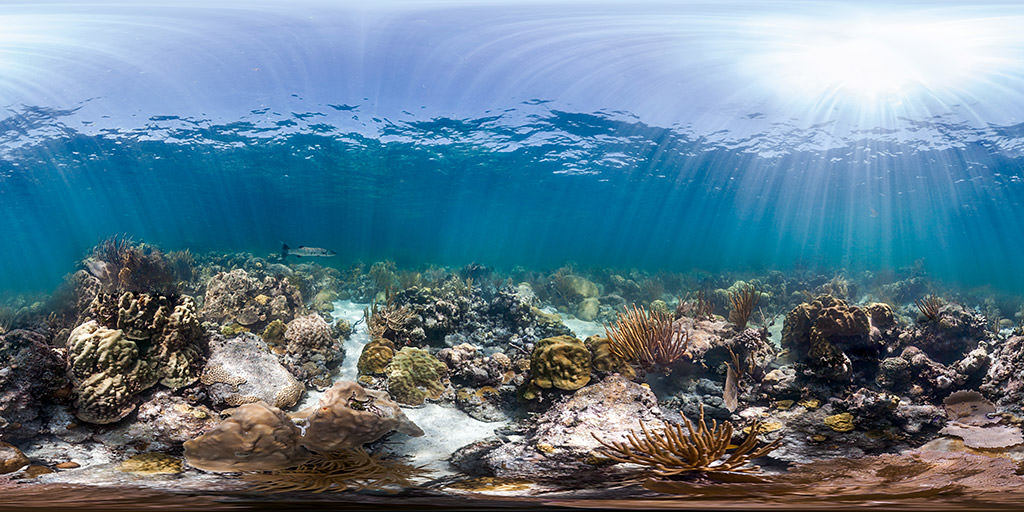
Florida Keys National Marine Sanctuary protects a coral reef ecosystem that is home to one of North America’s most diverse communities of underwater plants and animals. Nearly 6,000 marine species inhabit the coral reefs, mangrove forests, seagrass meadows, and other habitats of the Florida Keys. The sanctuary protects these resources that support the region's tourism and fishing-based economy. The ecosystem attracts tourists who enjoy diving, boating, and other forms of ocean recreation, and sustains valuable commercial and recreational fisheries. The sanctuary also helps preserve the nation’s maritime history by protecting shipwrecks and other irreplaceable heritage resources.
Learn more about Florida Keys National Marine Sanctuary at floridakeys.noaa.gov.

Quick Facts
Location: The water surrounding the archipelago formed by the Florida Keys
Protected Area: 4,539 square miles
Designation: December 1975: Key Largo National Marine Sanctuary; January 1981: Looe Key National Marine Sanctuary; November 1990: Florida Keys National Marine Sanctuary; March 2025: Sanctuary Expansion
Habitats:
- Coral reefs
- Hardbottom
- Mangrove-fringed shorelines & islands
- Sand flats
- Seagrass meadows
Key Species:
- Boulder corals (brain and star)
- Eagle ray
- Elkhorn and staghorn corals
- Green sea turtle
- Loggerhead sponge
- Nurse shark
- Spiny lobster
- Tarpon
- White heron
- Yellowtail snapper
Sanctuary Highlight

Explore the Florida Keys Sanctuary Virtual Tour
From the comfort of anywhere, take a deeper dive into the interconnectedness of Florida Keys National Marine Sanctuary. Explore a mangrove ecosystem in the sanctuary through an immersive virtual experience and get unlimited access to interactive exhibits in the Florida Keys Eco-Discovery Center.
Multimedia
Our Planet is an Ocean Planet: Earth Is Blue.
No matter where you are, the ocean and Great Lakes are in your hands. We hope these images and videos from Florida Keys National Marine Sanctuary inspire you to help care for our ocean and to spread the word that Earth isn't green—it's blue.


National Marine Sanctuary System
Safeguarding America's Premier Marine Places
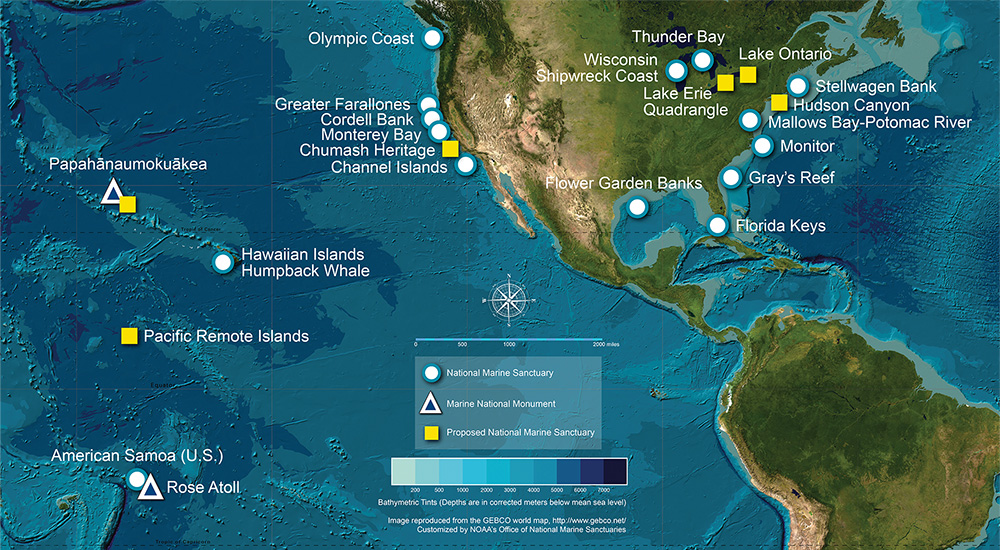
From Washington state to the Gulf of America and from the Great Lakes to the Pacific Islands, the National Marine Sanctuary System protects 18 underwater parks spanning over 629,000 square miles of ocean and Great Lakes waters. By investing in innovative solutions, we strengthen these iconic places to address 21st-century challenges while supporting America's commerce and tourism. These unique locations inspire people to visit, value, and steward our nation’s iconic ocean and Great Lakes waters.