

Greater Farallones
National Marine Sanctuary
Greater Farallones National Marine Sanctuary, an area of 3,295 square miles off the northern and central California coast, protects the wildlife, habitats, and cultural resources of one of the most diverse and bountiful marine environments in the world. The waters are a nationally significant marine ecosystem, and support an abundance of life, including breeding and feeding grounds for at least 25 endangered and threatened species; 36 marine mammal species; over a quarter of a million breeding seabirds; and one of the most significant white shark populations on the planet.

Quick Facts
Location: Off the California coast, from San Francisco north to Pt. Arena
Protected Area: 3,295 square miles
Designation: January 1981; Expansion: June 2015
Habitats:
- Bays and estuaries
- Continental shelf and slope
- Deep benthos
- Deep rocky reefs Islands
- Kelp forests (bull kelp)
- Open ocean
- Sandy and rocky shores
Key Species:
- Tufted puffin
- Blue whale
- Common murre
- Dungeness crab
- Harbor seal
- Krill
- Steller sea lion
- Red abalone
- White shark
- Chinook salmon
Sanctuary Highlight
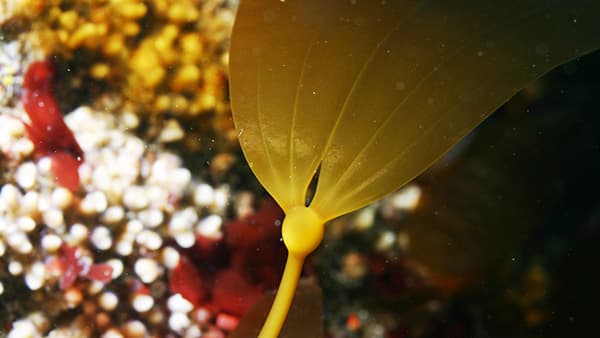
Kelp Restoration
Greater Farallones National Marine Sanctuary is leading efforts with our partners to restore kelp forests in the sanctuary.
The goal of kelp restoration in Greater Farallones National Marine Sanctuary is a healthy, functional kelp forest ecosystem that is resilient to increased sea surface temperatures from marine heatwaves and intense weather and climate patterns such as El Niño events.
National Marine Sanctuary System
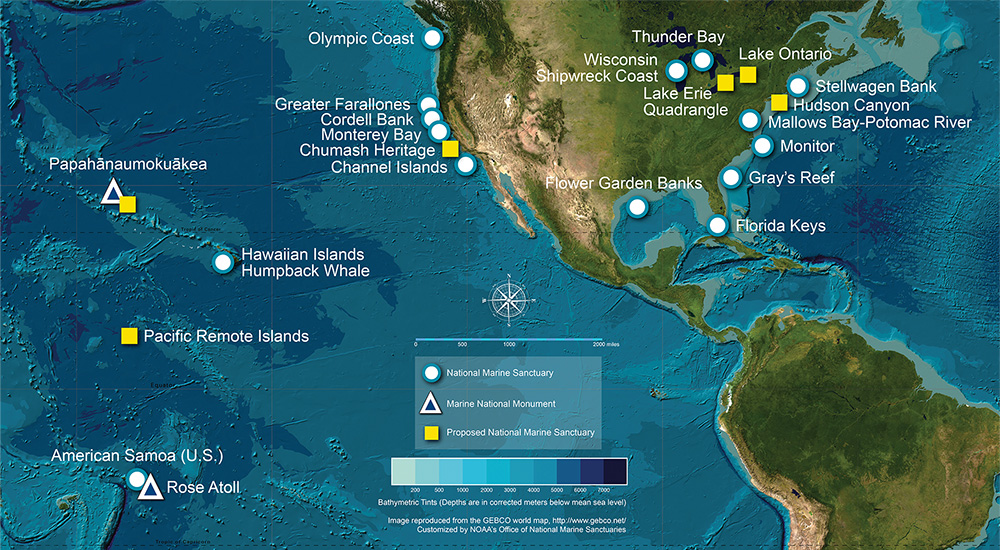
Safeguarding America's Premier Marine Places
From Washington state to the Gulf of America and from the Great Lakes to the Pacific Islands, the National Marine Sanctuary System protects 18 underwater parks spanning over 629,000 square miles of ocean and Great Lakes waters. By investing in innovative solutions, we strengthen these iconic places to address 21st-century challenges while supporting America's commerce and tourism. These unique locations inspire people to visit, value, and steward our nation’s iconic ocean and Great Lakes waters.