To complement the Sanctuaries 360° virtual reality lesson plans and virtual dives, the NOAA Office of National Marine Sanctuaries has created a collection of educational virtual reality activities for students to further explore these underwater treasures. Like the 360° videos, these activities are great for all ocean lovers, as well as those who have yet to or are unable to experience the ocean’s beauty firsthand. Enjoy a combination of captivating articles, videos, and 360° images and videos to learn more about your National Marine Sanctuary System!
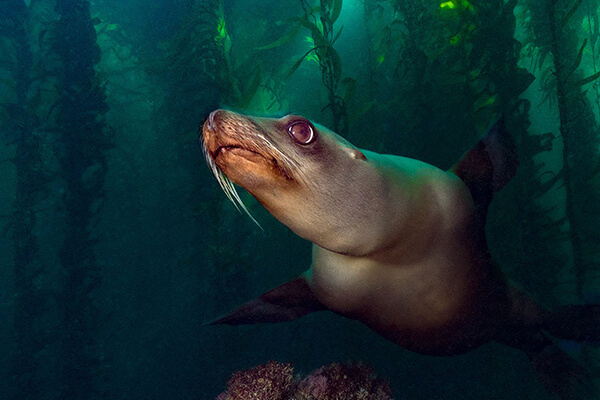
Go on a virtual adventure through Channel Islands National Marine Sanctuary and swim with California sea lions through kelp forests.
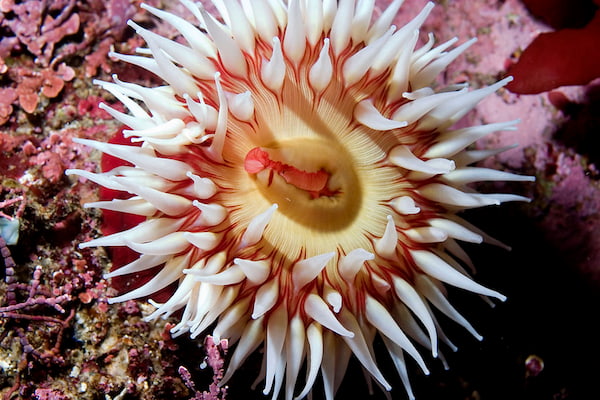
In this activity, you will take an underwater virtual dive through kelp forests in Monterey Bay National Marine Sanctuary and learn about this incredible ecosystem.
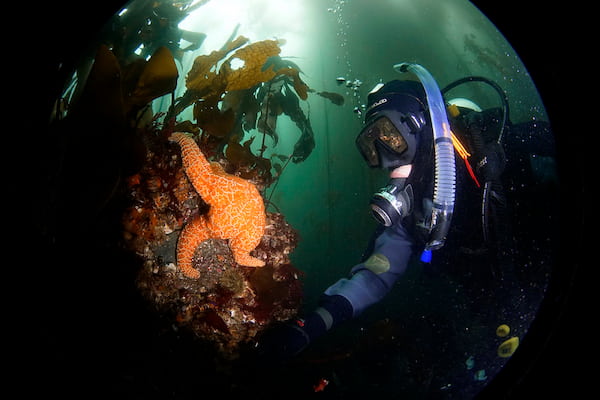
Take a virtual adventure through Olympic Coast National Marine Sanctuary in the Pacific Northwest to swim among the many animals found in this underwater treasure.
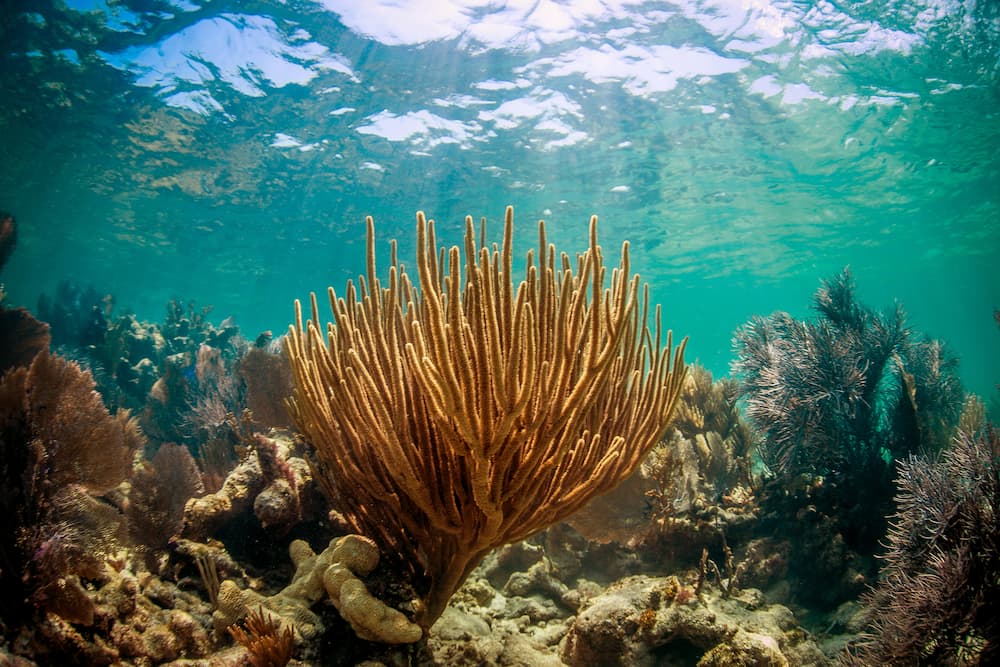
In this activity, you will go on a virtual adventure through the coral reefs of Florida Keys National Marine Sanctuary.
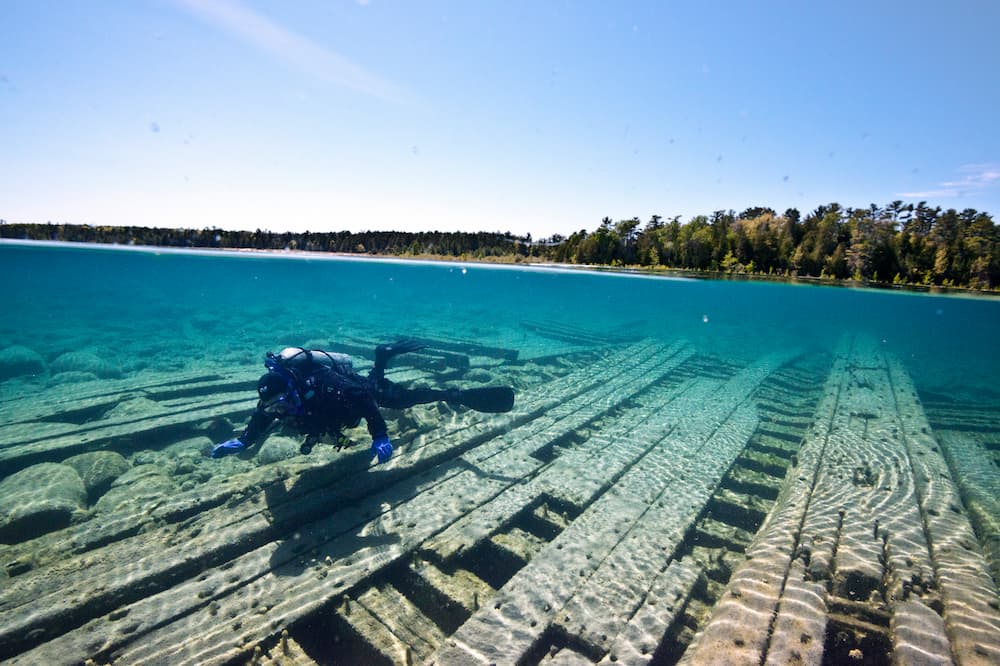
Go on a virtual adventure through Thunder Bay National Marine Sanctuary in Lake Huron and dive among historic shipwrecks that hold the stories of the Great Lakes’ maritime past.
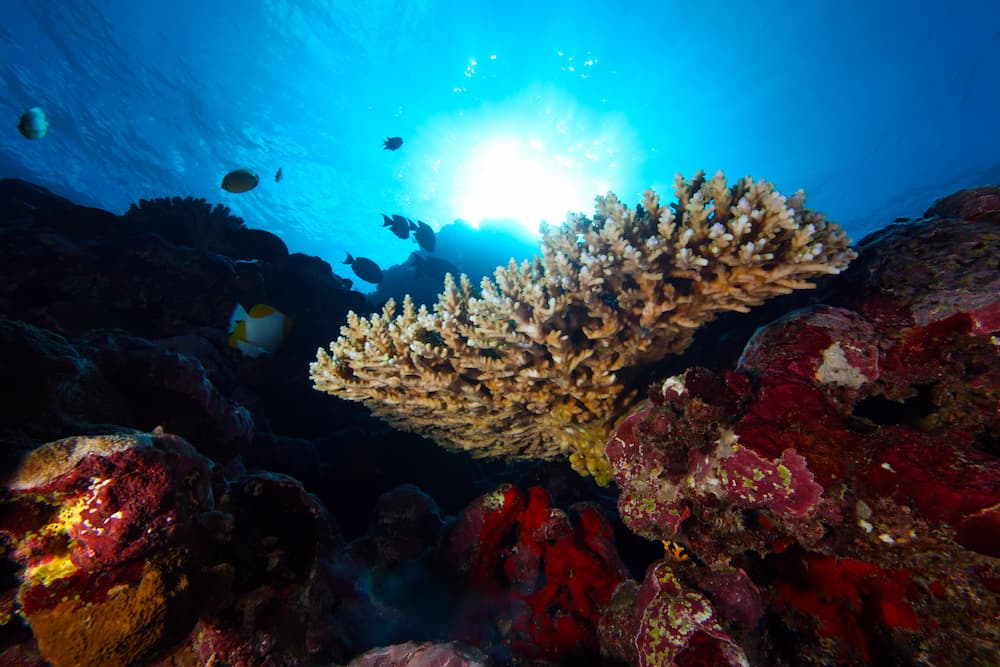
Take a virtual dive adventure through the National Marine Sanctuary of American Samoa to learn about Samoan culture and see gigantic coral heads.
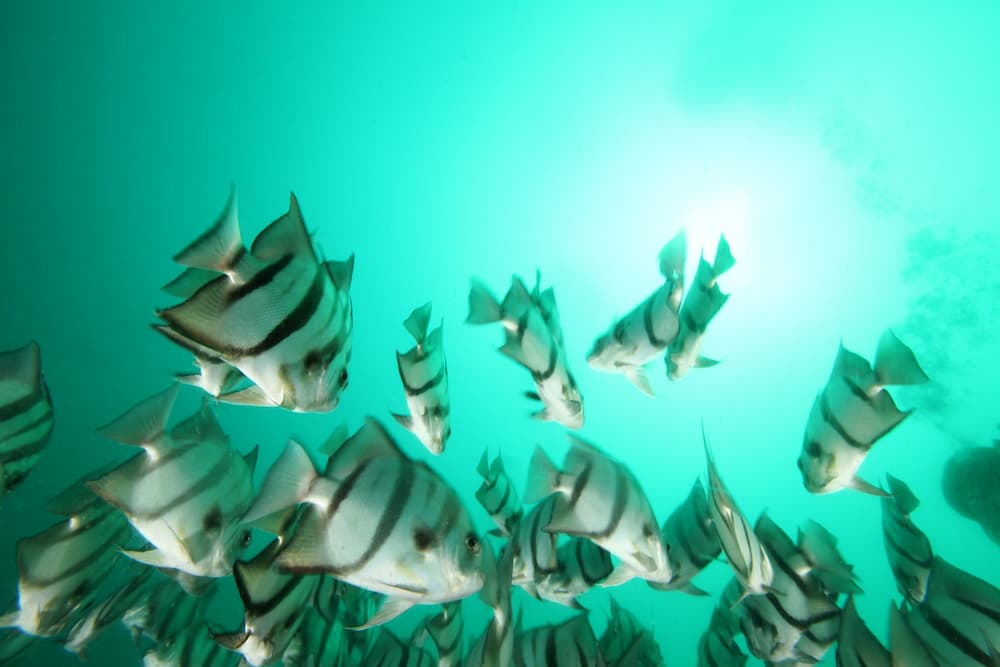
In this activity, you will go on a virtual adventure through Gray’s Reef National Marine Sanctuary off Georgia and explore a natural live-bottom reef teeming with marine life.
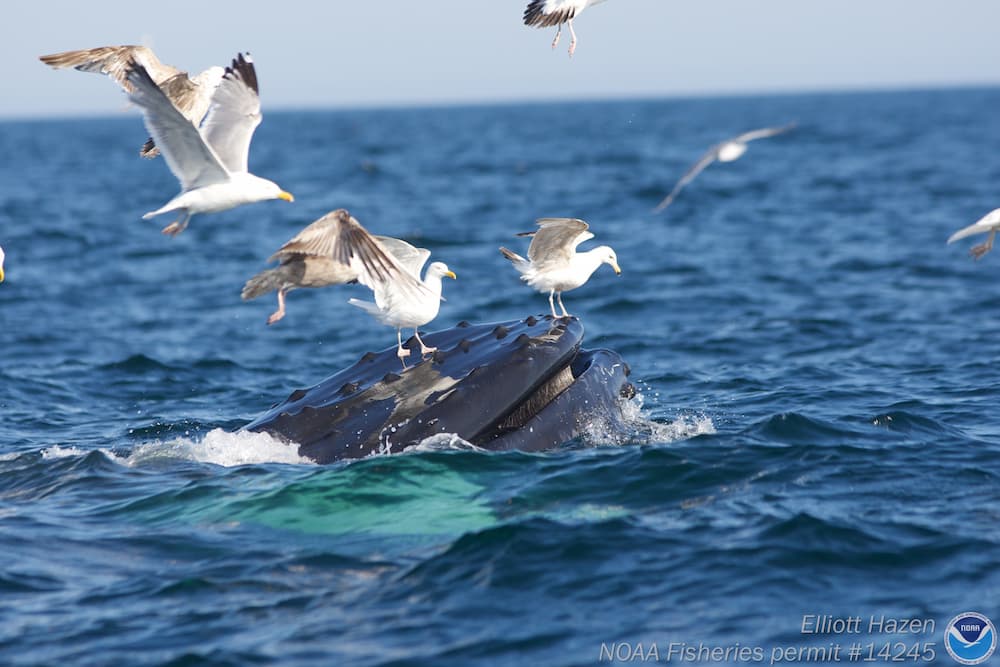
Go on a virtual adventure through Stellwagen Bank National Marine Sanctuary off Boston, Massachusetts to see your favorite whales.
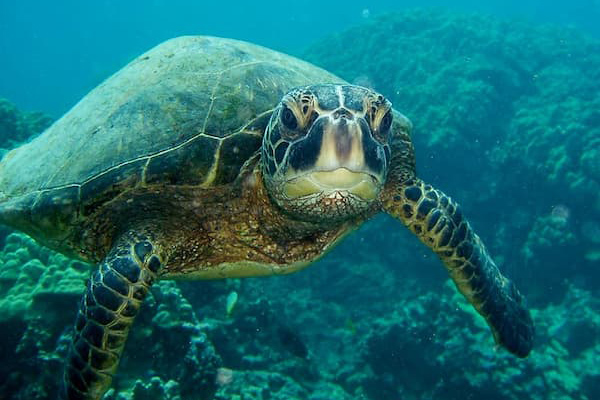
Take a virtual adventure through Hawaiian Islands Humpback Whale National Marine Sanctuary and swim alongside humpback whales, honu (turtles), and whitetip reef sharks.
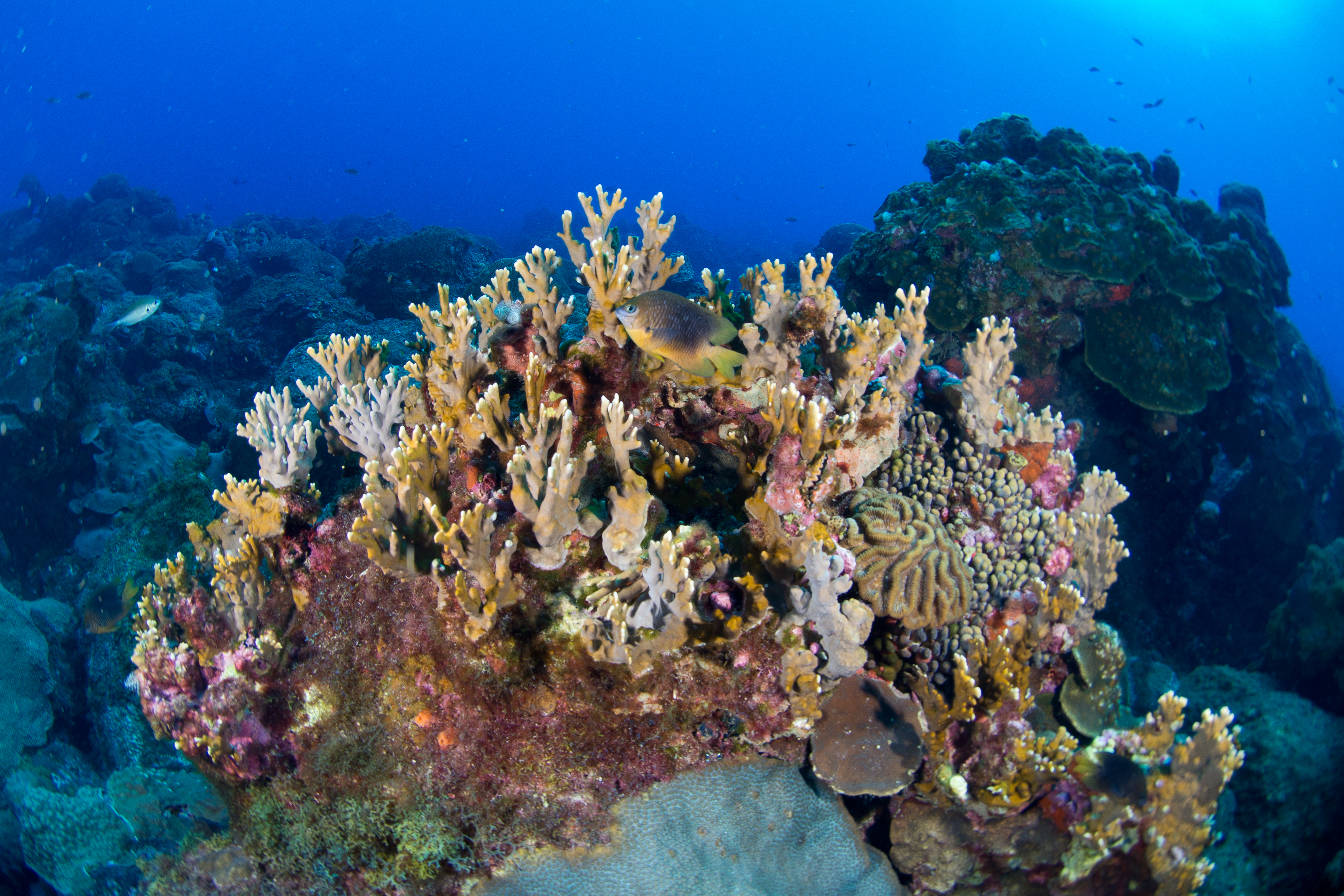
In this activity, you will take a virtual dive adventure through Flower Garden Banks National Marine Sanctuary in the Gulf of Mexico to learn about coral reef ecosystems.
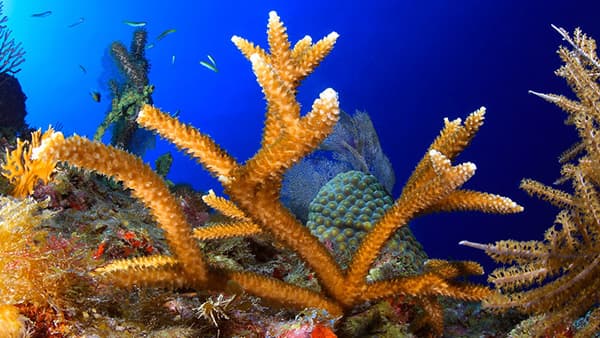
Florida Keys National Marine Sanctuary has been protecting the only living barrier reef in the continental United States since 1990. This fact and drawing sheet is associated with the Coral Restoration VR Video about the Florida Keys.
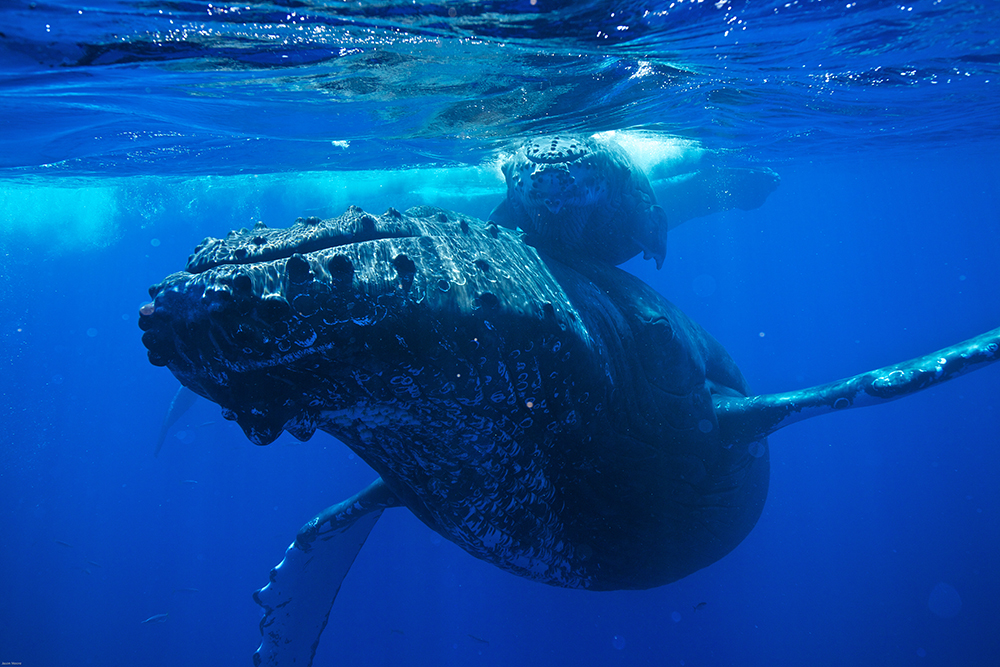
Humpback whales (koholā in Hawaiian) migrate annually to the equator in winters to mate, give birth, and raise their young in the warmer waters of Hawaiian Islands Humpback Whale National Marine Sanctuary. This fact and drawing sheet is associated with the Hawaiian Adventure VR Video.
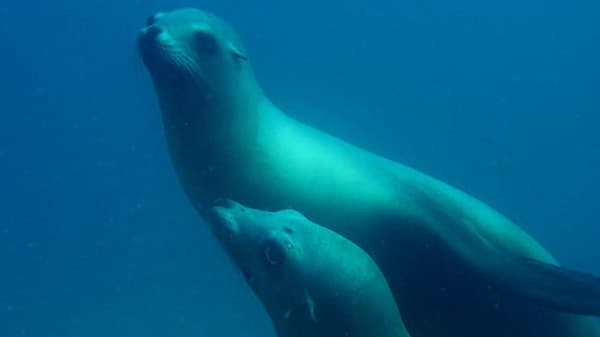
Thousands of species of marine animals, algae, and plants are protected within Channel Islands National Marine Sanctuary. This fact and drawing sheet is associated with the Sea Lion Encounter VR Video.

Thunder Bay National Marine Sanctuary protects almost 100 shipwrecks off the coast of Michigan. The proposed Lake Ontario National Marine Sanctuary would protect both shipwrecks and sunken aircraft. This fact and drawing sheet is associated with the Shipwreck Alley and St. Peter VR Videos.

